

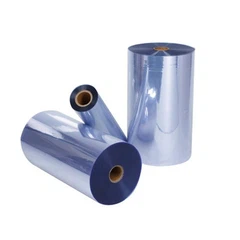
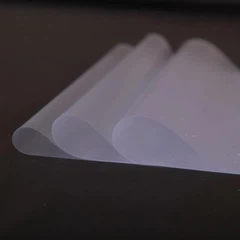
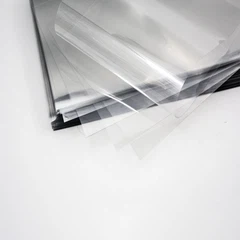

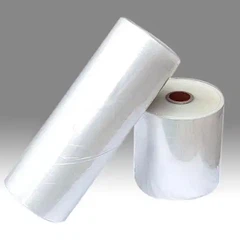
Polypropylene (PP) is the fastest-growing and most promising resin among the five general-purpose synthetic resins. PP has excellent physical and chemical properties, and its mechanical properties and heat resistance are the best among known thermoplastic resins. However, because PP is a semi-crystalline polymer, it has the disadvantages of slow crystallization rate, low crystallinity, and easy to form larger size spherulites during molding, which makes it less transparent, which greatly limits PP in the field of transparent products Applications.
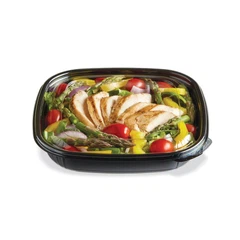
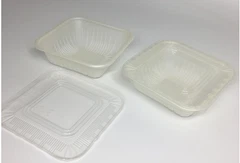
In recent years, in order to meet the market's demand for high transparency of PP, PP has been subjected to anti-reflection modification. The modified PP can be transparent and glossy with traditional transparent synthetic resins such as polyvinyl chloride, polystyrene, Polymethyl methacrylate, polycarbonate, etc.). Moreover, the application market of high transparent PP is very extensive. Excellent transparency and high load deformation temperature make it dominate in transparent beverage cups, transparent take-out lunch boxes, microwave ovens, baby products, medical hygiene, etc. This shows that the future development of highly transparent PP has broad prospects.